Watercolor Funny Easter Bunnies Activity Review
As a professional embroidery designer and product reviewer, I approach every new machine embroidery design with a critical eye. It is not enough for a graphic to look charming on a screen; it must translate effectively into thread, fabric, and finished goods. When evaluating the Watercolor Funny Easter Bunnies Activity illustration, my primary focus is on its viability for real-world production. This design falls squarely into the Illustrations category, but for makers and small business owners, its value lies entirely in its stitchability and market appeal. After reviewing the artwork and considering its application across various substrates, I see significant potential for this design, provided it is executed with specific technical considerations in mind.
First Impressions and Visual Personality
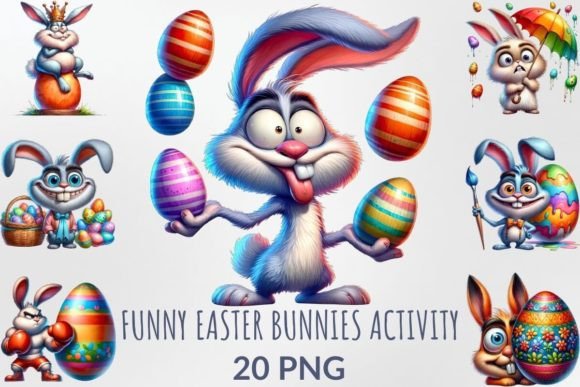
The immediate mood of the Watercolor Funny Easter Bunnies Activity is playful yet soft, striking a balance that appeals to both children’s apparel buyers and adult crafters looking for whimsical holiday decor. The "watercolor" aesthetic presents a unique challenge and opportunity in embroidery. Unlike flat vector art, watercolor relies on shading and blending. In a digital embroidery file, this usually translates to complex layering of fill stitch patterns or specialized thread blending techniques. Visually, the bunnies have distinct personalities through their expressions and activities, which adds narrative value to the finished product. For an Etsy seller or boutique owner, this narrative quality is crucial because it helps customers envision the item as a personalized gift rather than just generic merchandise. The layout appears balanced, suggesting it could work well as a centered chest placement on sweatshirts or as a focal point on tote bags.
Real-World Application: The Custom Sweatshirt Test
To truly judge this design, I mentally placed it in a current production scenario: creating a line of premium Easter sweatshirts for a spring collection. Sweatshirt fleece is a textured, stable fabric that generally handles detailed embroidery well, but the watercolor effect requires careful planning. If the Watercolor Funny Easter Bunnies Activity uses high-density fills to mimic paint, there is a risk of fabric distortion or a stiff hand-feel. In my experience testing similar illustrative designs, success comes from managing stitch density. You want the bunny to look painted, not armored.
For this specific project, I would pair the design with a medium-weight cutaway stabilizer to support the color layers without puckering. The humor in the bunnies' activities serves as a great conversation starter, increasing buyer engagement at craft fairs or in online listings. However, because watercolor styles often use pastel thread colors, contrast against heather grey or cream fleece is vital. I recommend running a test stitch-out on your exact garment blank before committing to bulk production. If the details get lost in the fleece texture, you may need to adjust the underlay or slightly increase the column width of the outline stitches to maintain definition.
Navigating Fabric Limitations and Hoop Sizes
While sweatshirts are forgiving, other applications require more caution. I would be hesitant to use the Watercolor Funny Easter Bunnies Activity on highly stretchy knits like ribbed baby onesies without significant modification. The intricate nature of watercolor illustrations often means higher stitch counts, which can weigh down lightweight fabrics and cause sagging over time. For baby embroidery projects, consider resizing the design to reduce density or using it only on woven cotton garments where the fabric structure can support the thread volume.
Curved surfaces like caps also present challenges. Unless the design has been specifically digitized for curved hooping, the watercolor shading may distort around the brim seam. Similarly, when working with dark fabrics, remember that watercolor effects typically rely on light-colored threads overlapping. On black or navy material, you will likely need a white underlay base, which changes the texture and increases stitch count significantly. Always verify the available hoop size dimensions in the file metadata before purchasing. A design that looks perfect at 5x7 inches might lose critical facial details if resized down to a 4x4 hoop for patches or pocket placements. Small details in funny bunny expressions are often the first casualties of aggressive resizing.
Commercial Viability for Makers and Sellers
For creative entrepreneurs, the versatility of this design determines its ROI. Beyond apparel, the Watercolor Funny Easter Bunnies Activity shows strong promise for home goods. Tea towels and pillow covers offer flat, stable surfaces ideal for capturing the nuance of watercolor-style stitching. These items are excellent for holiday embroidery sales because they serve as functional decor. From a branding perspective, the consistent artistic style allows for cohesive shop collections. If you sell digital assets or printable mockups, ensure your preview images accurately represent how the stitch texture interacts with the fabric grain. Customers trust sellers who show realistic renderings rather than flat digital overlays.
When listing products featuring this design, emphasize the handmade quality. The complexity of the illustration signals value, distinguishing your work from mass-produced prints. However, always confirm licensing terms before selling. Some illustration licenses permit physical product sales but restrict digital redistribution or print-on-demand usage. Protecting your business means understanding exactly what rights you have acquired with the embroidery file.
Essential Designer Notes for Success
Before loading this design into your machine, adhere to these practical checkpoints to ensure professional results:
- Test Stitch First: Never run a new design directly on a final product. Use scrap fabric of similar weight and texture to evaluate coverage and registration.
- Audit Thread Colors: Watercolor designs often require many thread changes. Check if your machine can handle the color sequence efficiently, or if you can consolidate shades without losing visual depth.
- Check Stabilizer Pairing: Match stabilizer weight to both the design density and the fabric type. Textured fabrics may require topping to prevent stitches from sinking.
- Verify Resize Limits: Consult the digitizer’s notes regarding minimum and maximum sizes. Reducing complex illustrations too much results in thread breaks and muddy details.
- Mockup Testing: Create black and white mockups to check value contrast. If the design reads poorly in grayscale, it may lack sufficient tonal variation when stitched in similar-hued pastels.
- Licensing Confirmation: Double-check commercial use rights for both physical items and digital marketing materials before launching your Easter collection.
Evaluating Long-Term Wear and Presentation
Finally, consider the lifecycle of the item. Embroidered products meant for frequent washing, such as kitchen towels or children's clothing, need durable construction. Watercolor-style fills can sometimes be prone to snagging if the top thread tension is too loose or if long satin stitches are used inappropriately. Inspect the design for excessive jump stitches that could unravel in the wash. Proper trimming and secure tie-offs during production are non-negotiable for maintaining customer trust.
In summary, the Watercolor Funny Easter Bunnies Activity offers a delightful aesthetic that can elevate your seasonal inventory. Its success depends less on the charm of the illustration itself and more on your technical execution. By respecting the relationship between thread, fabric, and design complexity, you can transform this digital asset into a high-value handmade product that resonates with buyers and stands up to real-world use. Whether you are decorating custom apparel or stocking your Etsy shop for the spring rush, approaching this design with professional diligence will yield the best possible outcome for your brand.