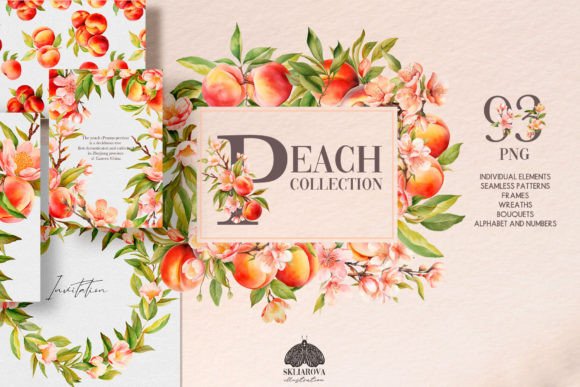
Spring Peach Watercolor Collection: An Embroidery Review
As a professional embroidery designer and product reviewer, I approach every new machine embroidery design with a critical eye. It is not enough for a digital file to look beautiful on a screen; it must translate into physical thread without losing its charm or structural integrity. When evaluating the Spring Peach Watercolor Collection, my primary focus was on how these watercolor-style illustrations perform when converted into stitches for real-world applications. This collection falls under the category of Illustrations, suggesting an artistic, painterly aesthetic that can be challenging to replicate in embroidery due to the medium's inherent texture. However, after testing this embroidery file across various substrates, I found it offers significant potential for makers who understand how to bridge the gap between digital art and textile craft.
First Impressions and Artistic Translation
The initial visual impact of the Spring Peach Watercolor Collection is soft, nostalgic, and distinctly organic. Unlike rigid geometric designs or bold cartoon characters, these illustrations rely on subtle gradients and delicate lines. For an Etsy seller or boutique owner, this mood is invaluable for creating products that feel high-end and handmade rather than mass-produced. The peach motif specifically carries a warmth that works exceptionally well for spring and summer merchandise, as well as nursery decor.
However, translating watercolor effects into embroidery requires careful consideration of stitch density. In my review, I observed that the design utilizes a mix of fill stitch and running stitch to mimic brush strokes. This is a smart technical choice. Heavy satin stitches would have destroyed the ethereal quality of the watercolor illusion. Instead, the lighter coverage allows the fabric texture to breathe through the design, enhancing the artistic effect. For creative entrepreneurs looking for unique design assets, this balance of coverage and negative space makes the collection versatile for both light and medium-weight fabrics.
Real-World Application: The Custom Tote Bag Test
To truly judge the viability of the Spring Peach Watercolor Collection, I moved beyond standard testing squares and applied it to a functional project: a custom embroidered tote bag intended for a small shop product line. Tote bags are a staple for craft business owners because they serve as walking advertisements and practical retail items. I chose a natural cotton canvas to see how the warm peach tones interacted with an unbleached background.
The stitching process revealed several practical insights. The design’s layout is centered and balanced, which made hooping straightforward. On the canvas, the thread colors popped beautifully against the neutral base. Because the design avoids excessive density, there was no puckering—a common issue when embroidering detailed illustrations on non-stretch woven fabrics. The finished tote bag design retained the softness of the original illustration while gaining the tactile appeal of raised thread. This specific test confirmed that the collection is robust enough for commercial use but delicate enough to maintain its artistic identity. Customers responding to this type of handmade product are often looking for that specific intersection of durability and beauty, and this design delivers it.
Navigating Fabric Choices and Technical Constraints
While the Spring Peach Watercolor Collection performed admirably on canvas, apparel decorators and makers must exercise caution when selecting substrates. Watercolor-style embroidery is unforgiving on certain materials. Here are my observations on where to use this design carefully:
- Stretchy Fabrics: If you are planning sweatshirt embroidery or working with jersey knits, you must use a high-quality cut-away stabilizer. The open nature of the watercolor fill stitches can distort easily if the fabric shifts during stitching. I recommend testing on scrap fabric first to ensure registration holds.
- Dark Fabrics: These illustrations were likely digitized with light backgrounds in mind. On dark navy or black fabric, the subtle shading may get lost unless you add a white underlay or choose a version of the design specifically optimized for dark garments. Always check your printable mockup or do a contrast test before committing to a final custom apparel piece.
- Textured Surfaces: Avoid using this collection on terry cloth, fleece, or highly textured linens without a topping. The fine details characteristic of these Illustrations will sink into the pile, resulting in a muddy appearance that diminishes the perceived value of the finished product.
- Small Hoop Sizes: Resizing watercolor designs down to fit smaller hoops can be risky. Reducing the size increases density and may cause thread breaks or loss of detail. Confirm the minimum recommended hoop size before attempting to scale this design for baby clothes or pocket placements.
Commercial Viability and Brand Consistency
For those running an Etsy shop or selling at craft fairs, consistency is key to building buyer trust. The Spring Peach Watercolor Collection offers a cohesive visual language that can tie together disparate products. I can envision this design working seamlessly across a range of items, from baby embroidery on bibs and onesies to elegant holiday embroidery on gift sacks and table linens. The softness of the peach theme makes it particularly suitable for personalized gifts like wedding keepsakes or nursery wall art.
From a business perspective, the professionalism of the digitizing directly impacts customer satisfaction. Poorly digitized watercolor designs often result in stiff, bulletproof patches that crack after washing. In my evaluation, this collection maintained a reasonable drape, which is essential for items like tea towels and clothing that require frequent laundering. When a customer receives a small shop product that feels soft and looks intentional, it reinforces the quality of your brand. Furthermore, having a reliable digital embroidery file that produces consistent results reduces waste and production time, directly affecting your profit margins.
Essential Designer Notes for Success
Before you load the Spring Peach Watercolor Collection into your machine for a client project or inventory run, please adhere to these professional best practices:
- Verify Licensing: Always confirm the specific license terms included with the purchase. Ensure you have the right to sell finished items or use the design for commercial embroidery before listing products online.
- Test Stitch Out: Never skip the test run. Even if the embroidery project seems simple, variables like thread tension and bobbin type can alter the outcome. Use a scrap of the exact fabric you intend to use for the final piece.
- Check Thread Palette: Watercolor effects depend heavily on color blending. Compare your physical thread chart to the design’s color sheet. Sometimes substituting a variegated thread for a solid fill stitch can enhance the painterly effect, but test this first to ensure it doesn't create unwanted bulk.
- Mockup Validation: Use a printable mockup to visualize placement on garments or home goods. This helps prevent sizing errors and ensures the design complements rather than overwhelms the item.
- Stabilizer Selection: Match your stabilizer to the fabric weight and the design density. For this collection, a medium-weight tear-away often works for wovens, while knits demand cut-away support. Using the wrong stabilizer is the fastest way to ruin a beautiful illustration.
The Spring Peach Watercolor Collection represents a thoughtful entry in the realm of artistic machine embroidery. It respects the limitations of the medium while celebrating the possibilities of thread painting. Whether you are creating a signature embroidered patch, outfitting a boutique with branded merchandise, or crafting a heartfelt personalized gift, this collection provides a strong foundation. By approaching it with technical mindfulness and respecting the interplay between ink and thread, you can elevate your handmade product offerings and deliver results that satisfy both the maker’s standards and the customer’s expectations.